

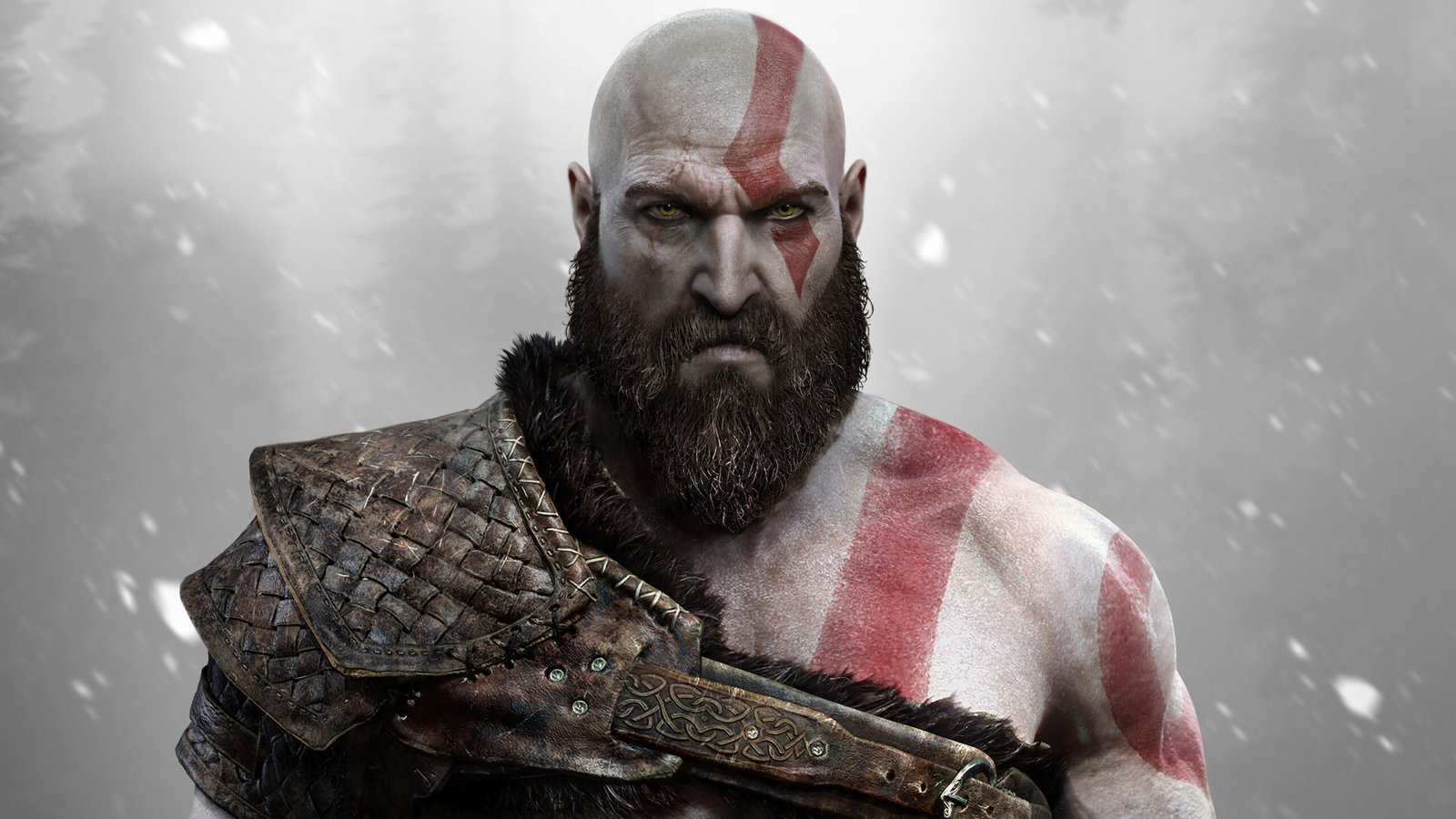
The Epic Journey of God of War: A Comprehensive Storytelling Experience
Introduction
God of War has established itself as a cornerstone of modern gaming, renowned not only for its engaging gameplay but also for its profound storytelling. Developed by Santa Monica Studio and published by Sony Interactive Entertainment, the franchise has evolved significantly since its inception, captivating a diverse audience through its rich narratives and intricate character development. The God of War story invites players into a world steeped in mythological themes, presenting a unique blend of action, exploration, and emotional depth that few titles can match.
One of the standout features of God of War is its ability to weave together complex narratives while maintaining a cohesive and immersive gameplay experience. The latest installment takes a bold new direction, focusing on the relationship between Kratos and his son, Atreus, which serves as a backbone for the plot. This focus on familial bonds, responsibility, and personal growth elevates the God of War full story, making it more than just a tale of epic battles and gods. The dynamic between the main characters reflects universal themes of sacrifice and redemption, which resonate deeply with players and critics alike.
The critical and commercial success of God of War underscores its impact on the gaming industry. It has not only garnered numerous awards but has also set a new standard for narrative-driven games. The God of War plot explained throughout this blog post will delve into its thematic elements and gameplay mechanics, ensuring a comprehensive understanding of the series. Gamers are encouraged to immerse themselves in this world, where each chapter of the God of War full walkthrough unravels mysteries and explore the deep emotional undertones that accompany Kratos and Atreus on their journey.
Main Story Overview
The narrative of God of War unfolds as a deeply woven tale centered around Kratos, a once-vengeful warrior, who is now attempting to lead a quieter life following the events of his past. The journey begins with Kratos and his son, Atreus, setting out to honor the last wish of Kratos’s deceased wife, Faye, which is to scatter her ashes from the highest peak in the realms. This quest serves as the catalyst for their adventure, framing the central God of War story.
As they travel through various realms, the God of War plot is enriched with rich character development and poignant interactions, particularly between Kratos and Atreus. Initially, Kratos’s stern demeanor clashes with Atreus’s youthful curiosity and enthusiasm, setting the stage for dramatic tension. Throughout their journey, Atreus’s growth as a young warrior and the unfolding of his hidden lineage as Loki emerge, adding complexity to the God of War full story.
Confrontations with gods, mythical creatures, and other formidable entities signify not only external obstacles but also Kratos’s internal battles. The father-son duo must work through their differences while battling the threats posed by figures such as Baldur, who is mysteriously linked to Faye’s past. These encounters deepen the overall narrative, progressing the God of War story and highlighting the themes of fatherhood, grief, and redemption.
The climax reveals enlightening secrets about Kratos’s identity and Atreus’s fate, culminating in a spectacular confrontation that tests their bond and the lessons learned throughout their journey. The culmination of their quest provides satisfying resolutions while leaving room for expansion of the God of War plot explained in potential future installments. As the journey comes to a close, players are left with an emotional and thought-provoking God of War ending explained, making this tale not just an adventure, but a profound exploration of relationships and legacy.
Key Characters
The narrative of God of War unfolds through a rich tapestry of characters, each contributing to the overarching story and themes of the game. At the center of this epic journey is Kratos, the protagonist, who carries the weight of his past as the former God of War. Driven by guilt and a desire for redemption, Kratos embarks on a quest to fulfill his wife’s final wish: to scatter her ashes from the highest peak in the realms. His character arc reflects a struggle between his violent past and a burgeoning paternal love for his son, Atreus.
Atreus, the young boy accompanying Kratos, serves as both a source of hope and a catalyst for Kratos’s transformation. Initially unaware of his true heritage, Atreus’s journey is marked by self-discovery and growth. He struggles with feelings of inadequacy and the pressure of living up to his father’s legacy. Through their interactions, the game explores themes of mentorship, trust, and the complexities of father-son relationships.
Other significant characters enrich the God of War story, notably Baldur, the Norse god of light. Baldur’s quest for invulnerability becomes a pivotal conflict, placing him in opposition to Kratos and Atreus. His character embodies themes of suffering and the consequences of seeking ultimate power. Freya, a powerful witch and former ally of Baldur, also plays a crucial role in the story. Her motives intertwine with those of Kratos and Atreus, as she navigates her loyalty to her son and her desire for vengeance.
Together, these characters navigate a world steeped in Norse mythology, and their complex backstories and motivations serve to deepen the player’s engagement with the God of War plot. The character dynamics not only propel the narrative forward but also encapsulate the game’s exploration of themes such as reconciliation, familial bonds, and the quest for identity.
Important Events in Gameplay
The narrative of the God of War series is marked by several significant events that not only highlight critical moments in gameplay but also serve to propel the overall story forward. One of the earliest pivotal encounters occurs when Kratos, the protagonist, faces off against the formidable stranger in his home. This unexpected battle sets the tone for the game, introducing themes of conflict and Kratos’ enduring struggle against fate and divine forces. As players navigate through the unfolding god of war story, they witness significant character development, particularly in Kratos’ relationship with his son, Atreus.
As the plot progresses, one of the major events involves Kratos and Atreus’ journey to fulfill the last wish of Kratos’ deceased wife. This quest leads them through various realms, where they encounter numerous gods and mythical creatures. Each encounter presents unique challenges, highlighting the combat mechanics and immersive gameplay experience. For instance, the fight against the Valkyries is not only a test of skill but also serves as a thematic reflection of redemption as Kratos seeks to overcome his past transgressions.
Another fundamental event is the revelation of Atreus’ true identity as Loki. This twist not only transforms the dynamic between father and son but also raises questions about destiny and legacy in the god of war full story. Throughout their journey, themes of fatherhood, loss, and the quest for understanding resonate deeply, culminating in high-stakes moments that leave players on the edge of their seats. The emotional weight of these interactions makes the gameplay more than just a sequence of battles; they enrich the god of war plot explained, showcasing the emotional journey alongside the physical challenges. Ultimately, these events are crucial in shaping the series’ enduring legacy and its exploration of complex human themes.
Side Quests and Their Impact
In the expansive world of God of War, side quests play a crucial role in deepening the narrative and enriching the overall experience. These quests often serve not merely as optional activities but as vital components that provide context to the God of War story. Players are invited to explore various facets of the characters, particularly Kratos and Atreus, through these additional tasks that layer complexity onto the main plot.
Each side quest typically presents unique challenges and encounters that allow players to engage more intimately with the game world. For example, quests related to Fafnir, a legendary dragon, amplify the main storyline by intertwining themes of loss and redemption, thus expanding the emotional landscape of the characters. As players dive into these narratives, they unearth invaluable backstories and motives driving the main characters, illustrating how each side quest contributes effectively to the God of War plot explained.
The character encounters during these quests further enhance understanding of the intricate relationships within the game. Meeting side characters such as the Witch of the Woods or Mimir provides layers to the protagonist’s journey, encapsulating the essence of fatherhood, sacrifice, and the burdens of their past. The interconnectedness of these side stories with the main narrative highlights the importance of every quest, making them essential for a complete grasp of the God of War full story.
In this manner, the side quests not only offer rewards and collectibles but also serve as poignant reflections of the main themes present in the game. They allow players to dive into mythological tales and personal stories alike, reinforcing how the rich tapestry of side quests within the God of War enhances the experience and understanding of the intertwined journeys present throughout the game. This depth can prove vital for those seeking a comprehensive God of War full walkthrough, ensuring that they encounter every significant narrative moment.
Character Arcs: A Journey of Growth
In the acclaimed game “God of War,” the character arcs of Kratos and Atreus serve as the backbone of the narrative, illuminating multifaceted themes such as legacy, fatherhood, and personal transformation. Kratos, the titular character, embarks on a journey to reconcile with his violent past while navigating the treacherous landscape of Norse mythology. Initially, Kratos struggles with his identity as a father, which becomes apparent in his often harsh demeanor toward Atreus. This friction lays the groundwork for both characters’ growth, as they each confront their internal conflicts while facing external challenges.
Atreus, on the other hand, begins the story as a curious and somewhat naive boy, yearning for his father’s approval and guidance. His progression throughout the game is reinforced by the revelations he encounters regarding his mother’s legacy and his own lineage. As the journey unfolds, Atreus becomes increasingly aware of the responsibilities that accompany his heritage, prompting him to evolve from a dependent son into a formidable ally. This shift not only showcases Atreus’s personal victories but also mirrors Kratos’s transformation as a father, highlighting their interconnected growth as both characters grapple with their identities.
Moreover, the relationship between Kratos and Atreus deepens as they navigate various trials and tribulations. The challenges they face reinforce the importance of communication, trust, and the shared burden of their family’s legacy. By overcoming obstacles, they learn valuable lessons about sacrifice and companionship, ultimately forging a bond built on mutual understanding and respect. As the “God of War” story progresses, the evolution of their dynamic becomes emblematic of the overarching narrative, showcasing how personal struggles intertwine with broader themes. In conclusion, the character arcs of Kratos and Atreus encapsulate not just their individual journeys but also the profound impact of legacy and fatherhood that resonates throughout the game’s plot.
Twists and Revelations
The narrative of the God of War series has long been celebrated for its engaging storytelling, and this latest installment is no exception. Among the pivotal moments that enhance the God of War story are the unexpected twists and significant revelations, particularly concerning the relationship between Kratos and Atreus. As players progress, they gradually uncover the layers behind Atreus’s true identity, which serves as a crucial element in the God of War plot explained. The game artfully weaves together narrative threads that culminate in a heartfelt and explosive realization during the climax.
One of the most striking revelations comes to light when Atreus learns of his lineage; he is not merely the son of Kratos but also a descendant of Loki. This twist alters the dynamic between father and son, adding depth to their already complex relationship. Throughout the God of War full story, players are invited to witness Atreus’s growth as he grapples with his newfound identity and the expectations that accompany it. This moment is essential for both characters, as it marks a transition from mere survival to forging a legacy within the realms.
The impact of such twists is profound, influencing character development and motivations accordingly. As the narrative unfolds, players are treated to several others, each serving to heighten emotional engagement and challenge preconceived notions about the characters’ fates. From the unexpected alliances to betrayals, these revelations ensure that the God of War full walkthrough is not a simple journey but a deep exploration of themes such as identity, destiny, and the burden of legacy.
These turns and their implications render the God of War spoilers all the more tantalizing, as they prompt fans to reflect on the deeper meanings of the story. Ultimately, the careful construction of these twists enables a richer understanding of the characters and their developments. In conclusion, the intricate tale presented in God of War transcends conventional storytelling, making it a monumental experience in video game history.
Endings Explained
The narrative of God of War reaches a powerful climax, culminating in multiple endings that resonate deeply with its overarching themes. The choices players make significantly influence the outcomes for both Kratos and Atreus, intertwining their personal journeys with the broader lore of the game. The game artfully presents these outcomes, reflecting the complex relationship between father and son as they navigate their intertwined fates within the world of Norse mythology.
One of the most poignant aspects of the God of War story is how it encapsulates the themes of redemption and legacy. The character of Kratos, often seen as a harbinger of chaos in previous installments, undergoes substantial development. By focusing on the protection and upbringing of Atreus, he faces deep internal conflicts that ultimately influence the game’s endings. Depending on player choices, these endings may either reinforce Kratos’ transformation from a vengeful god to a more benevolent figure or leave lingering traces of his dark past.
Atreus, too, receives a significant arc that highlights the implications of legacy and the weight of expectations. As players navigate the god of war plot, they find themselves at crucial junctures where decisions dictate Atreus’ character evolution, potentially setting him on paths not only as a warrior but also as a symbol of his father’s choices. The God of War ending explained carefully emphasizes these reflections, showcasing the nuances of familial bonds under challenging circumstances.
Moreover, the choices made will affect the potential for sequels, hinting at unresolved conflicts and new adventures. The God of War full story intertwines individual character destinies while leaving the door open for future confrontations that could reshape both their narratives. As such, the game’s endings serve not only as a narrative conclusion but also as an invitation for exploration of further journeys within this rich and unfolding mythological tapestry.
Cultural and Mythological References
The “God of War” series intricately weaves cultural and mythological elements into its storytelling framework, creating a rich tapestry of narratives that enhance the player’s experience. The transition from Greek mythology, which characterized earlier installments, to Norse mythology in recent titles signifies a deliberate shift in thematic focus. This change not only broadens the universe that Kratos inhabits but also introduces players to a plethora of Norse legends and figures, each carrying their own weight of stories and morals.
In “God of War,” we witness familiar deities and antagonists such as Odin, Thor, and Freya, whose portrayals often diverge from traditional narratives. This reinterpretation serves to deepen the emotional connection to the characters, as players are invited to explore the complexities of godhood, power, and mortality. Odin, often depicted as a wise and omnipotent figure, emerges in the game as a manipulative entity whose motives are shrouded in enigma, adding layers of intrigue to the overall god of war story.
Additionally, “God of War” highlights themes prevalent in Norse mythology, such as fate, legacy, and the cyclical nature of life and death. This focus underscores the struggles faced by Kratos and his son Atreus as they navigate their own destinies amidst a backdrop steeped in mythological references. The journey they undertake is not merely a physical one, but also represents a search for understanding within the constraints of a tumultuous mythological landscape.
For those unfamiliar with Norse mythology, the game provides a seamless introduction to its complex world, enriching the god of war full story. The thoughtful integration of these cultural elements serves not only to entertain but also educates, making the game more than just a combat-driven narrative. Each element contributes to a comprehensive understanding of the game’s plot, thereby enhancing the overall experience for players and myth enthusiasts alike.